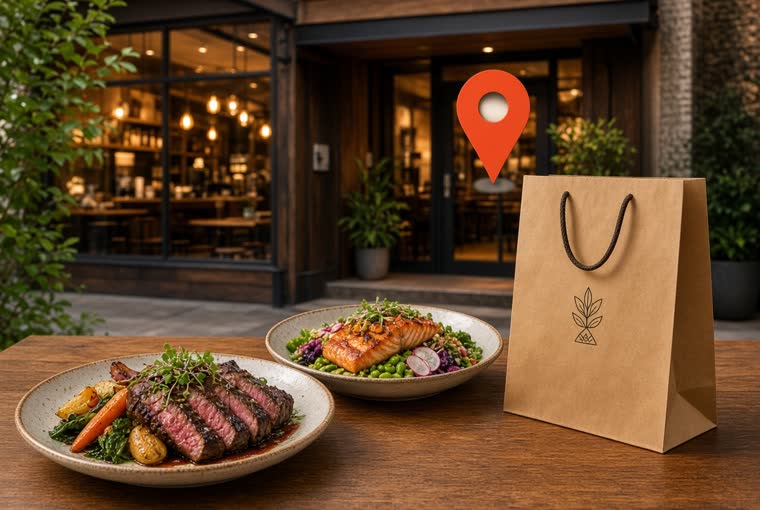
Local SEO for restaurants: a working checklist
Menu photos, dish names as keywords, delivery platforms, and the rhythm of asking.
ReadGoogle has published the three local ranking factors: distance (how far you are from the searcher), relevance (how well your profile matches what they typed) and prominence (how well known you are online). Distance is fixed. The other two are yours to work on. Reviews sit inside prominence, and Google states in its own help pages that review count and score are factored in — the full chain from a review to a paying customer is laid out in What a good review is actually worth to you.
The highest return on effort available, and free. Open your Google Business Profile and go through the list:
Both the count and the freshness feed activity signals, and photos directly decide whether anyone clicks through. Shoot the frontage, the interior, your signature items and the team. Then add two or three new ones every month. A phone camera is fine; blurry old stock images are not.
It affects local ranking through three channels: volume, average score and freshness. A page with nothing new in six months is cooling off as far as the algorithm is concerned.
Here is the underrated part. The words customers choose are the truest local keywords you will ever get. When somebody writes “best beef noodle soup on this street”, you now have relevance for that phrase — something you could not buy by rewriting your own description a hundred times.
For how to keep it flowing, see How to ask customers for Google Reviews.
Almost nobody maintains the Q&A block on their profile, yet it surfaces in search results. Post the five questions customers actually ask — parking, appointments, whether you have Chinese-speaking staff, which insurance you take, how late you are open — and answer them as the business. This is entirely within the rules.
Profile and photo work usually shows up in impressions within a few weeks. Gains from customer feedback build gradually and normally take a month or two to become obvious. There is no shortcut — but the upside is that once it is working, there is no monthly invoice keeping it there.
One thing to do today: in a private window, search your trade plus your town, see where you actually rank, and screenshot it. Without that starting point, in two months you will not be able to tell real movement from wishful thinking. Of everything on this list, reviews are the one lever you can push every single day — from 0 to 50 Google reviews in 90 days covers that pace, and the star rating calculator tells you how many more you need for the next half star.
Menu photos, dish names as keywords, delivery platforms, and the rhythm of asking.
Read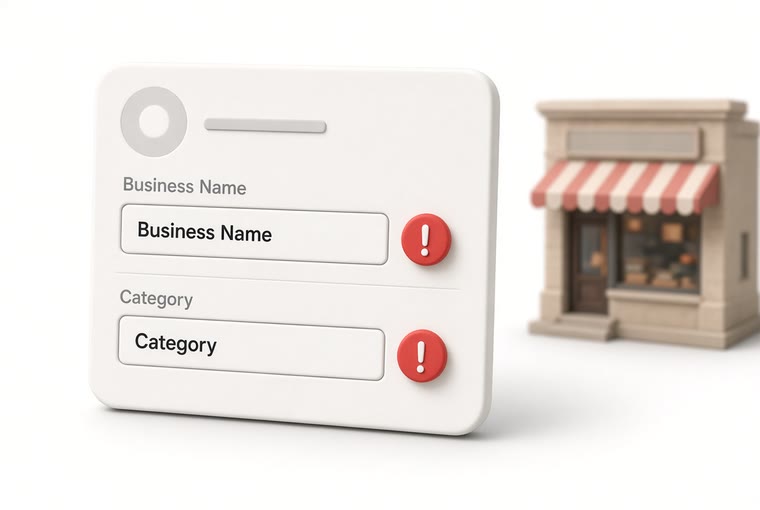
The name field takes what is on your sign, and the category decides which searches you appear in. These two are the commonest suspension triggers and the two that move ranking most. The three classic ways people stuff the name, how many extra categories to add, and why you must never change both at once.
Read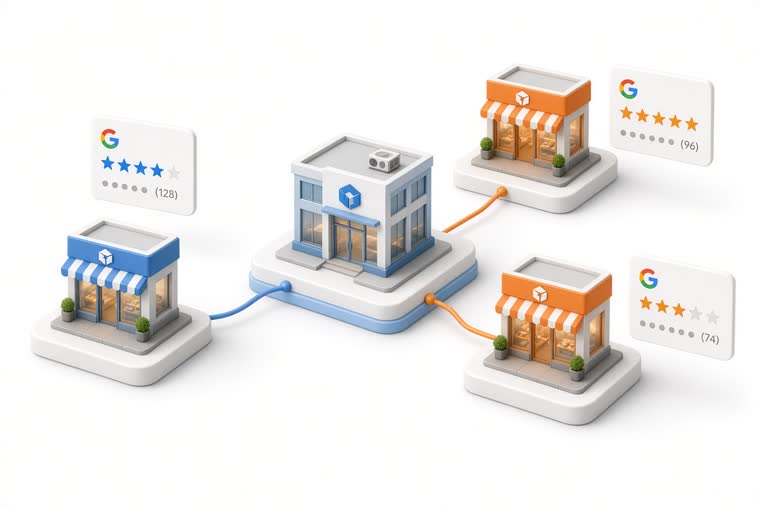
Every branch is a separate Google listing, not one brand page. What head office owns, how to diagnose a branch that scores much lower, and five traps specific to multi-site.
ReadCreate an account, add your location, and five minutes later the QR code is printed and sitting on the counter.